Source Rhinestone Mesh Kitten Heel Sandals for parties, events, and daily wear
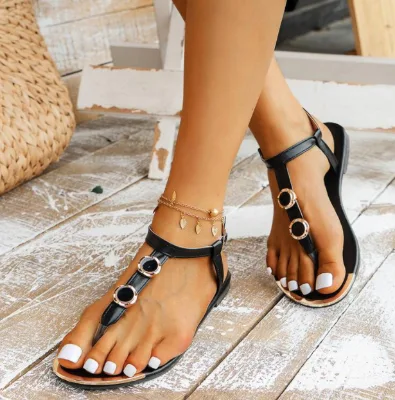
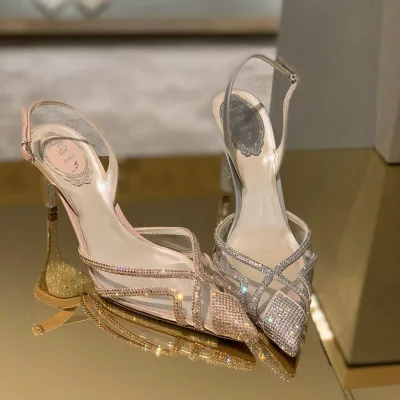
Explore 30 listings of Rhinestone Mesh Kitten Heel Sandals suitable for parties, events, and daily wear. Buyers can compare materials, heel heights, and customization options from verified suppliers in China.
Key considerations
Products List


Metallic Silver Crystal Rhinestone Ankle Strap Stiletto Evening Sandals for Women
$12.25 - $13.55
MOQ: 200 Pairs




Comprehensive Sourcing Guide
Rhinestone Mesh Kitten Heel Sandals Sourcing Guide
Sourcing Rhinestone Mesh Kitten Heel Sandals requires a nuanced understanding of both aesthetic detailing and structural integrity, as these footwear items sit at the intersection of fashion-forward design and practical wearability. Buyers must recognize that while the visual appeal of rhinestone embellishments and breathable mesh uppers drives consumer interest, the underlying construction—particularly the heel type and sole material—determines long-term durability and comfort. The observed market data indicates a diverse range of product attributes, from genuine leather and microfiber uppers to various lining materials like PU and PVC, suggesting that suppliers offer significant customization options. This variability means that procurement teams cannot rely on a single specification sheet; instead, they must develop a rigorous verification process to ensure that the final product matches the intended quality tier and functional requirements.
The commercial landscape for these sandals is characterized by a wide price range and flexible minimum order quantities, which presents both opportunities and risks for buyers. With observed prices ranging from $1 to $81.9 USD and MOQs varying from 1 to 500 pieces, the market accommodates everything from small-batch testing to large-scale inventory builds. However, this diversity also implies a broad spectrum of quality levels, from entry-level fashion items to premium designer-inspired pieces. Buyers must therefore align their procurement strategy with their specific market positioning, ensuring that the selected supplier’s capabilities in terms of supply ability, packaging, and customization align with their brand’s expectations. Understanding these market signals is crucial for negotiating favorable terms and avoiding costly mismatches between product expectations and supplier capabilities.
Product Scope and Observed Listing Signals
The product scope for Rhinestone Mesh Kitten Heel Sandals encompasses a variety of styles, including mules, slip-on designs, and heeled sandals, each catering to different consumer preferences and occasions. Observed listings highlight features such as open-toe designs, kitten heels, and stiletto heels, indicating that buyers have access to a wide range of aesthetic options. The use of materials like genuine leather, microfiber, and PU for the upper, combined with rubber outsoles, suggests a focus on both comfort and durability. Additionally, the presence of accessories like matching color options and dust bags in packaging points to a premium positioning for some products, while others may be geared towards more casual or everyday wear.
Listing signals also reveal important details about the supply chain and logistics, such as the origin of products in regions like Fujian and Sichuan in China, and the availability of OEM branding. These signals indicate that many suppliers are equipped to handle custom orders, allowing buyers to create unique products that stand out in the market. The mention of specific models and standard packaging dimensions provides a baseline for logistical planning, but buyers should verify these details with each supplier to ensure accuracy. Furthermore, the observation of various heel heights and shapes, such as wineglass or stiletto, underscores the importance of selecting the right design for the target demographic, as these factors significantly impact both the visual appeal and the wearability of the sandals.
Technical Specifications to Verify
When verifying technical specifications, buyers must pay close attention to the materials used in the construction of the sandals, particularly the upper and lining materials. While some listings specify genuine leather or microfiber for the upper, others may use PU, which can vary significantly in quality and durability. The lining material, whether PU or PVC, also plays a crucial role in comfort and breathability, especially for sandals intended for warmer seasons. Buyers should request detailed material specifications and, if possible, physical samples to assess the quality of these components. Additionally, the outsole material, typically rubber, should be evaluated for its grip and wear resistance, as these factors are critical for the safety and longevity of the footwear.
Heel specifications are another area that requires careful verification, as the height and shape can vary widely across different products. Observed listings mention heel heights ranging from 5-5.5 cm, with shapes including kitten heels and stiletto heels, but buyers should confirm these details with each supplier to ensure consistency. The closure type, whether slip-on or otherwise, also impacts the fit and comfort of the sandals, so it is important to select a design that aligns with the target audience’s preferences. Furthermore, buyers should verify the sizing standards, such as US and EUR sizes, to ensure that the products meet the requirements of their target market. Accurate sizing information is essential for minimizing returns and ensuring customer satisfaction.
Compliance and Safety Documentation
Compliance and safety documentation are critical for ensuring that Rhinestone Mesh Kitten Heel Sandals meet the regulatory requirements of the target market. Buyers must verify that suppliers provide the necessary certifications and test reports, particularly for materials that come into direct contact with the skin, such as the lining and upper materials. While specific standards are not mentioned in the observed listings, buyers should inquire about compliance with relevant regulations, such as REACH in Europe or CPSIA in the United States, to ensure that the products are free from harmful substances. Additionally, buyers should request documentation related to the durability and safety of the heel attachment, as this is a common point of failure in footwear.
Packaging and labeling requirements are another important aspect of compliance, as they must adhere to the regulations of the destination country. Buyers should verify that the packaging includes all necessary information, such as material composition, care instructions, and country of origin, in the required languages. The observed listings mention packaging details such as shoe boxes and OPP bags, but buyers should confirm that these meet the specific requirements of their market. Furthermore, buyers should ensure that the suppliers have a robust quality control process in place to prevent defects and ensure that the products meet the agreed-upon specifications. This includes regular inspections and testing throughout the production process to identify and address any issues before the products are shipped.
Cost Drivers and Commercial Terms
The cost of Rhinestone Mesh Kitten Heel Sandals is influenced by several factors, including the materials used, the complexity of the design, and the level of customization required. Buyers should be aware that products with genuine leather uppers and intricate rhinestone detailing will typically command a higher price than those made with synthetic materials and simpler designs. Additionally, the cost of packaging, such as shoe boxes and dust bags, can also impact the overall price. Buyers should request detailed cost breakdowns from suppliers to understand the components of the price and identify areas where cost savings may be possible without compromising quality.
Commercial terms, such as MOQs, payment terms, and lead times, are also critical considerations for buyers. The observed listings indicate a wide range of MOQs, from 1 to 500 pieces, which allows for flexibility in ordering. However, buyers should negotiate terms that align with their inventory management strategy and cash flow requirements. Payment terms, such as deposits and balance payments, should be clearly defined to avoid disputes. Lead times are another important factor, as delays in production can impact the availability of products in the market. Buyers should establish clear communication with suppliers to ensure that production schedules are met and that any potential delays are communicated in advance.
Supplier Qualification and Quality Control
Supplier qualification is a crucial step in the sourcing process, as it ensures that the selected supplier has the capabilities and resources to produce high-quality Rhinestone Mesh Kitten Heel Sandals. Buyers should conduct a thorough assessment of potential suppliers, including an evaluation of their production facilities, quality control processes, and past performance. This may involve on-site visits or third-party audits to verify the supplier’s claims and ensure that they meet the buyer’s standards. Additionally, buyers should request references from other clients to gain insight into the supplier’s reliability and responsiveness.
Quality control is essential for maintaining consistency and preventing defects in the final product. Buyers should establish a comprehensive quality control plan that includes pre-production inspections, in-process checks, and final inspections before shipment. This plan should define the acceptable quality levels and the procedures for addressing non-conformities. Buyers should also consider implementing a sampling process to test the products for durability, comfort, and aesthetic appeal before placing large orders. By investing in rigorous quality control measures, buyers can minimize the risk of receiving defective products and ensure that their customers receive high-quality footwear.
Long-Term Procurement Checks
Long-term procurement checks are necessary to ensure that the relationship with the supplier remains productive and that the products continue to meet the buyer’s evolving needs. Buyers should regularly review the supplier’s performance, including metrics such as on-time delivery, product quality, and responsiveness to issues. This review process should be documented and used to identify areas for improvement and to make informed decisions about future orders. Additionally, buyers should stay informed about changes in the market, such as new trends in footwear design or shifts in consumer preferences, to ensure that the products remain relevant and competitive.
Continuous improvement is key to maintaining a successful procurement strategy. Buyers should work closely with suppliers to identify opportunities for cost savings, quality improvements, and innovation. This may involve collaborating on new designs, exploring new materials, or implementing more efficient production processes. By fostering a collaborative relationship with the supplier, buyers can create a sustainable supply chain that delivers value over the long term. Regular communication and feedback are essential for building trust and ensuring that both parties are aligned on their goals and expectations.
FAQs
What materials are used for the upper and lining?
The upper material is microfiber or genuine leather, while the lining is made of PU or PVC. These materials ensure durability and comfort for walking occasions. Buyers can find options with matching color accessories to complete the look.
Which heel types are available for these sandals?
Available heel types include kitten heels and stiletto heels, with heights ranging from 5 to 5.5 cm. The heel shape may vary between wineglass and stiletto styles depending on the specific model selected by the buyer.
Can I customize the color and packaging details?
Yes, customization is available for colors and packaging. Products come in shoe boxes or OPP bags with dust bags, and colors can be matched to specific requirements. Buyers should confirm specific customization needs with the supplier.
What are the supply ability and lead time constraints?
Supply ability ranges from 2000 to 10000 pieces per week depending on the supplier. Lead times and production capacity vary by factory location, so buyers must verify specific timelines before placing large orders for seasonal demand.
Which sizes are offered for US and EUR markets?
US sizes range from 4 to 14, while EUR sizes cover 36 to 42. Specific models like VTSM260645 and Dcharm-005A offer these standard sizing options to accommodate various customer demographics in different regions.
Where are these products manufactured and shipped from?
Products originate from China, specifically Fujian and Sichuan provinces. They are dispatched from Xiamen Port, ensuring reliable logistics for international buyers seeking footwear manufactured in these established industrial regions.